
Recognise the risk
Review hazards before an activity begins and whenever ground, equipment or working conditions change.
HSE & Sustainability
A drilling program brings people, machinery and the natural environment into close contact. At Solid Drill, our commitment to responsible operations starts with recognising those relationships and considering their consequences in the way we plan, work and improve.
Our sustainability strategy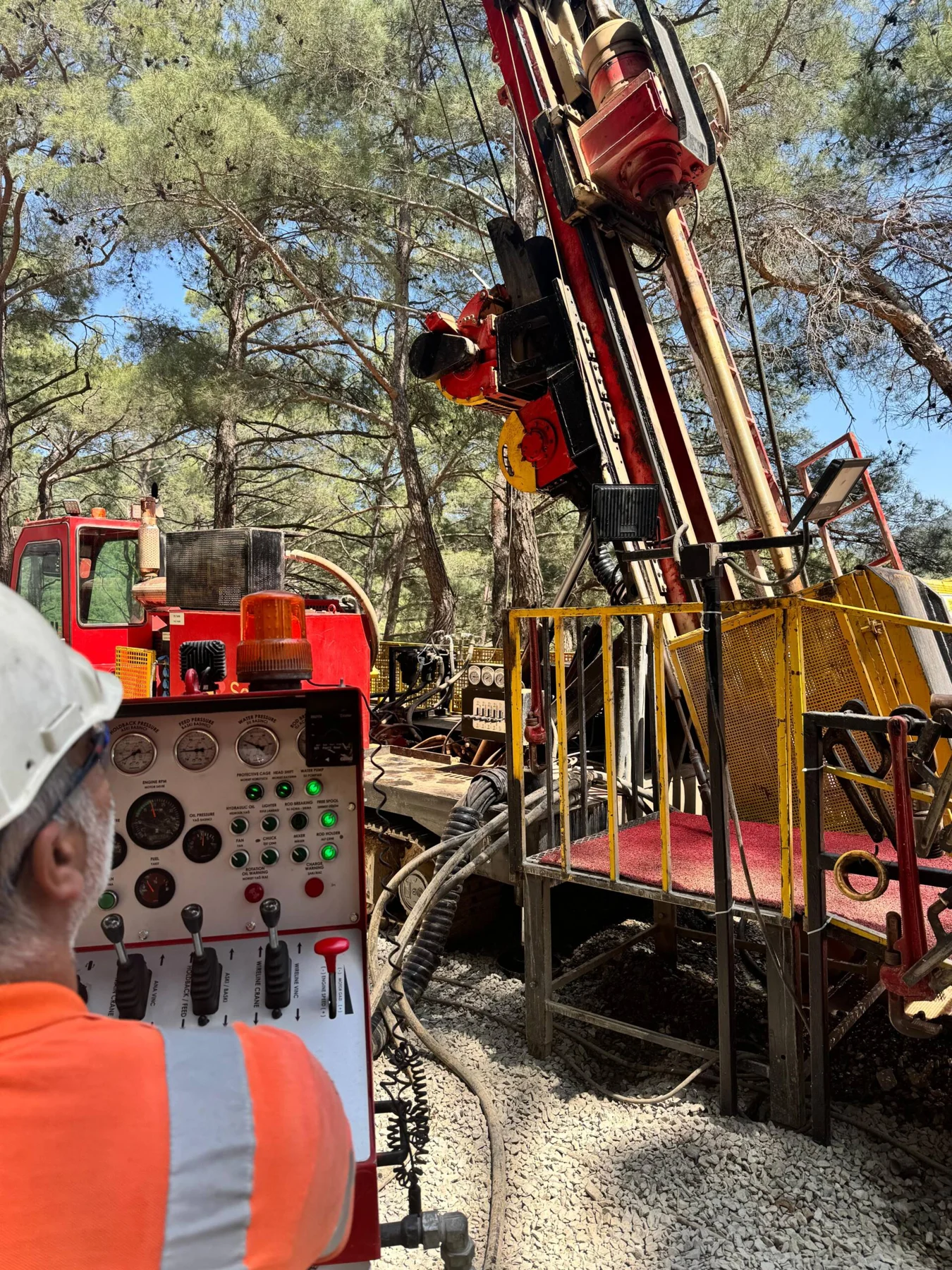
Our sustainability strategy
Sustainability has a practical meaning in drilling: the decisions made before mobilisation and throughout the program influence the safety of the crew, the use of resources and the condition of the work area. Our strategy is to give those decisions the same disciplined attention as the technical objectives of the job.
We are committed to reducing the environmental impact of our work, developing useful engineering improvements and maintaining a culture in which people take responsibility for safe operations. Cooperation with clients, colleagues and local communities is part of that approach. Progress requires regular review, a willingness to learn and priorities that can be translated into action.
Our people
The people who operate, maintain and support our equipment are central to the business. Their safety and wellbeing must remain part of every operational decision. Our commitment extends beyond meeting a minimum requirement: it calls for an attentive working culture in which hazards are discussed and concerns are taken seriously.
In drilling, this means giving proper attention to the work area, equipment condition, handling activities and the changes that occur as a hole progresses. Practical instruction, suitable supervision and the exchange of experience help people understand their responsibilities and recognise when the work needs to be reassessed.
Review hazards before an activity begins and whenever ground, equipment or working conditions change.
Connect training, instruction and supervision to the actual responsibilities of the person doing the work.
Encourage people to raise concerns, share experience and participate in resolving unsafe conditions.
Every employee must be able to stop or refuse work when conditions are unsafe. A concern should prompt a review of the activity, the necessary controls and a shared understanding of how to proceed safely. Protecting people takes precedence over maintaining the pace of production.
Our environment
Our work takes place in landscapes with their own environmental conditions and community interests. Responsible operations require an understanding of that setting, together with careful consideration of the resources used and the materials generated by drilling. Environmental care should be reflected in ordinary working decisions throughout the program.
We aim to improve resource efficiency through suitable equipment, considered maintenance and practical innovation. Water use, drilling fluids, fuel handling and waste are important areas for attention. The appropriate arrangements depend on the method and the site, and should be agreed with the client as part of preparing the work.
Consider water, fuel and material use when choosing equipment and planning the sequence of operations.
Address containment, housekeeping and waste handling through arrangements appropriate to the site.
Maintain considerate communication about access, local activities and matters affecting nearby communities.
Our work
Service quality is the result of technical knowledge being applied consistently under field conditions. It depends on capable people, suitable equipment and a clear understanding of what the client needs from the program. Safety and environmental responsibility belong within that definition of quality.
For exploration drilling, particular care is needed in the recovery, handling and identification of samples. Clear communication about the scope, conditions and progress of the work helps the client interpret what is being delivered. Field experience and professional collaboration provide opportunities to review and improve the service.
Establish the intended field output, responsibilities and reporting expectations before mobilisation.
Give attention to handling, identification and the consistency of the agreed sampling process.
Use operational feedback and technical discussion to identify practical improvements in the next stage of work.
Continuous improvement
A responsible approach cannot remain fixed while equipment, working conditions and expectations develop. Our commitment is to review experience from operations, identify where performance can improve and translate those lessons into practical changes. Clear objectives and meaningful records are essential to understanding whether those changes are effective.
Discuss a project
Share the objectives of your exploration program, the location and the proposed schedule. With an understanding of the ground conditions, access and sampling requirements, we can begin a considered discussion of the drilling approach and the support your operation will need.